On this day in Howard County history, McGowan’s Independent Company, Maryland Infantry (Patapsco Guards) was organized in Ellicott’s Mills by Thomas McGowan.
![On this day in Howard County history] in 1977 the first Renaissance Festival opened in Columbia.](https://images.squarespace-cdn.com/content/v1/69667e5d5eade41db9bed1e2/1789483766841-59PDSOH7L229WHYNEBEJ/1977+renfest.jpg)
On this day in Howard County history] in 1977 the first Renaissance Festival opened in Columbia.
On this day in Howard County history, in 1977 the first Renaissance Festival opened in Columbia.
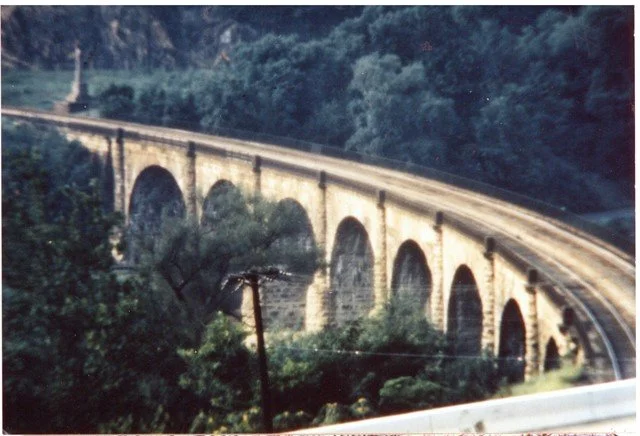
In 1835, the Washington Branch of the Baltimore & Ohio Railroad opened connecting Baltimore with Washington, D.C.
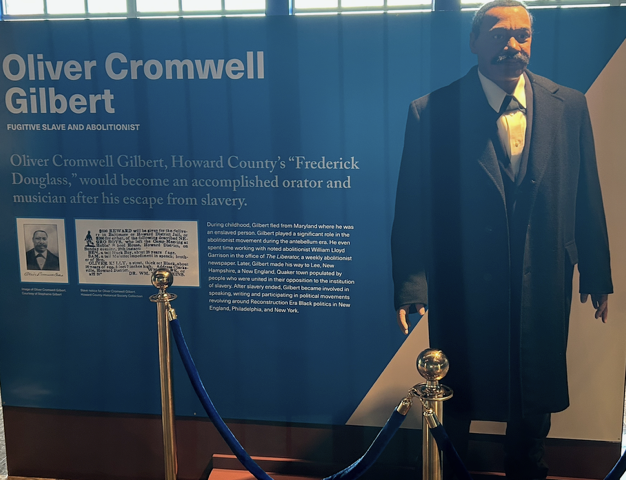
This Day in History - Oliver Kelly escaped enslavement from the Richland Plantation
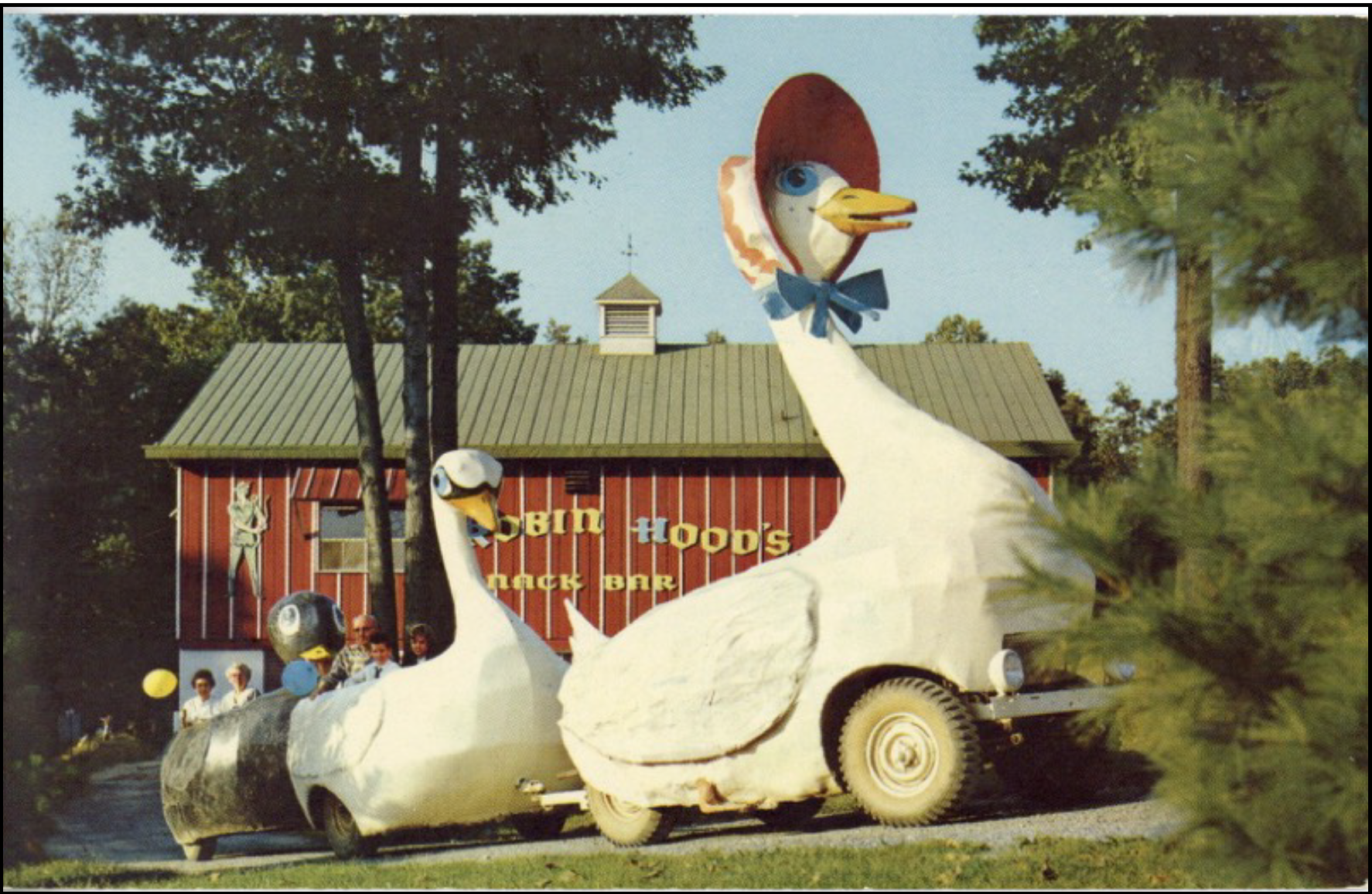
The Enchanted Forest: Howard County’s Unique Amusement Park
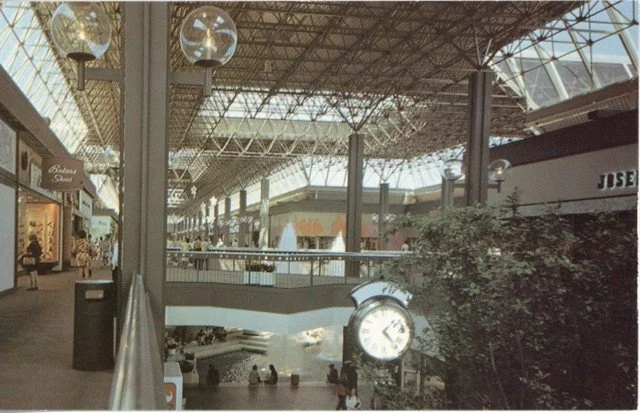
In 1971, the Columbia Mall opens.
Officially called The Mall in Columbia, the mall opened on August 2, 1971, with two anchor stores – Hochschild, Kohn and Woodward & Lothrup – and 102 smaller stores. The mall was developed by The Rouse Company and was hailed as the core of Columbia’s new downtown.
In 1975 the Hochschild, Kohn store was replaced by a Hecht’s (which was converted to a Macy’s in 2006). J. C. Penney took over the Woodward & Lothrup location in 1996.
It was always planned that the mall would have five anchor stores. A 1981 expansion added a Sears store and 70 smaller stores. In 1998 a Lord & Taylor store was added, and in 1999 a new wing with a Nordstrom’s and 40 smaller stores opened. In 2000 the food court was moved to the Sears wing.
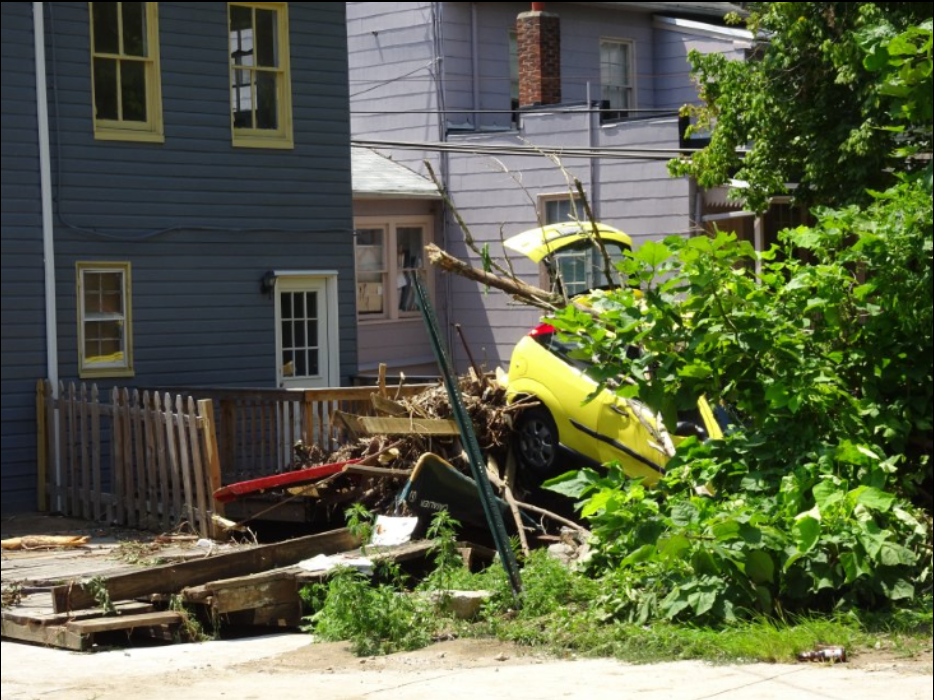
On July 30, 2016, the first of two destructive floods in two years occurred in Ellicott City.
On July 30, 2016, the first of two destructive floods in two years occurred in Ellicott City.
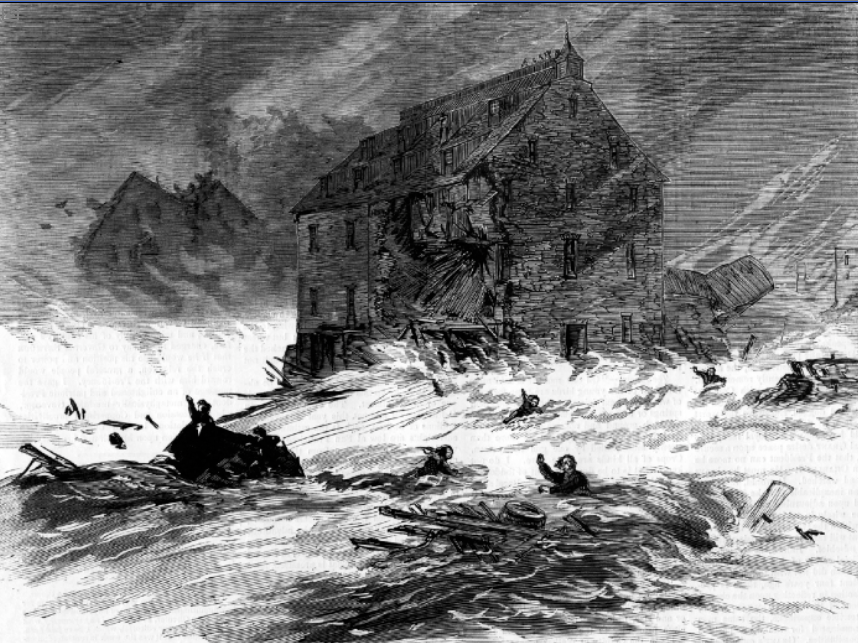
July 24, 1868 brought the most devastating flood to ever occur in Ellicott City.
July 24, 1868 brought the most devastating flood to ever occur in Ellicott City.
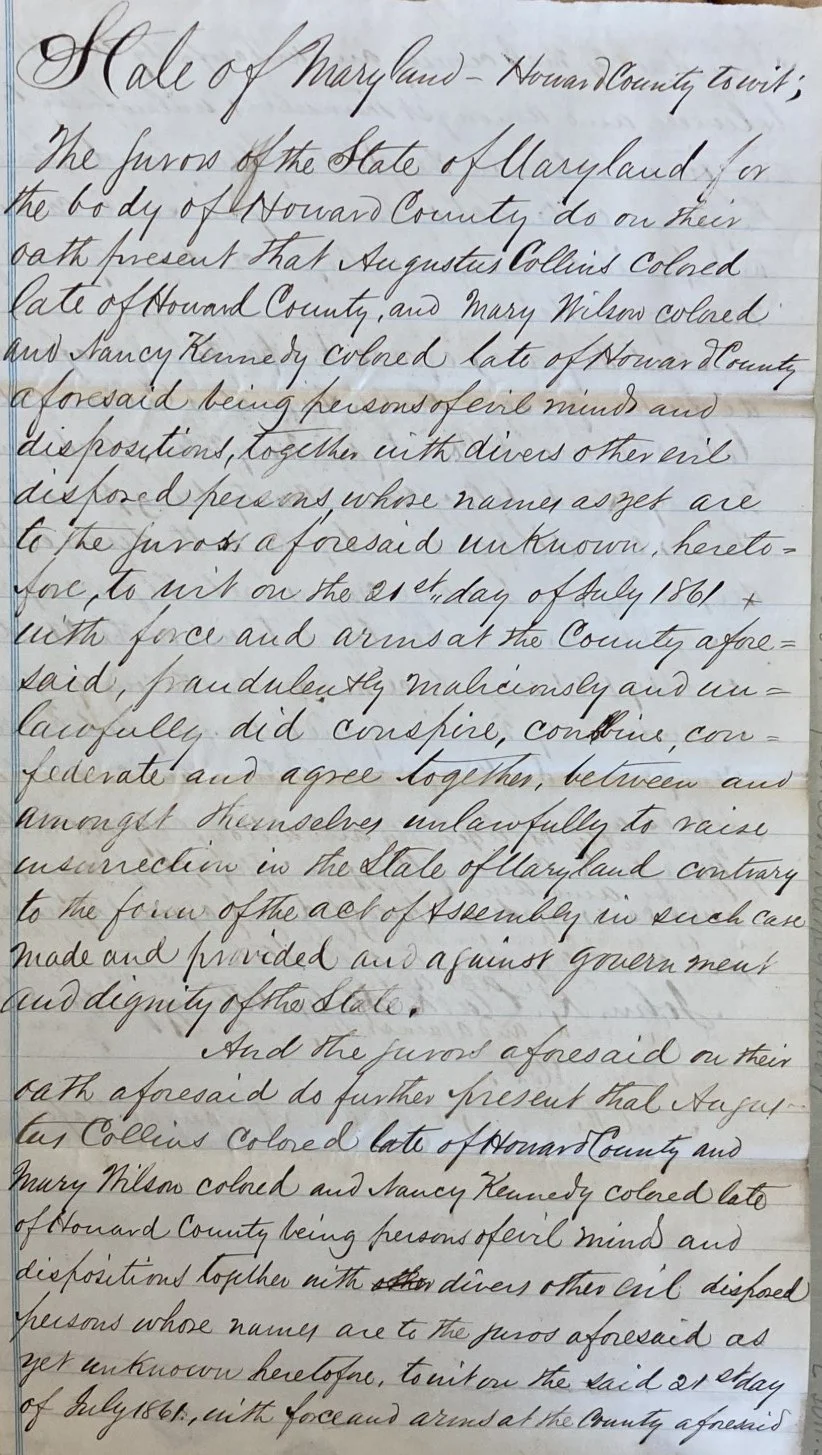
July 21 - In 1861, Augustus Collins attempts to raise an insurrection
July 21 - In 1861 Augustus Collins attempts to raise an insurrection
The Early Life of Decatur Dorsey
The Early Life of Decatur Dorsey
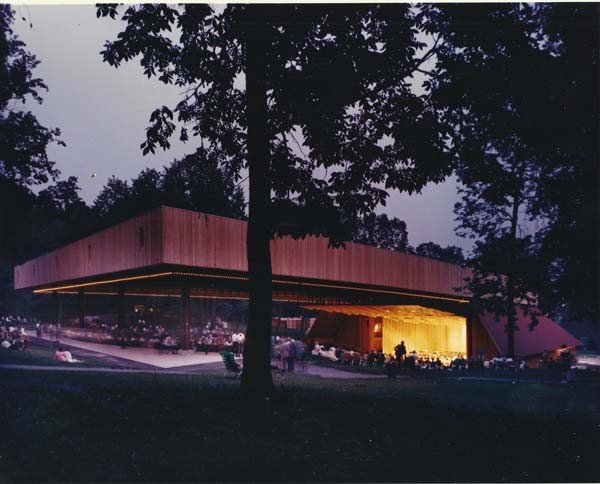
July 14 - On this day in Howard County history – In 1967 Merriweather Post Pavillion opened
July 14 - On this day in Howard County history – In 1967, Merriweather Post Pavillion opened!
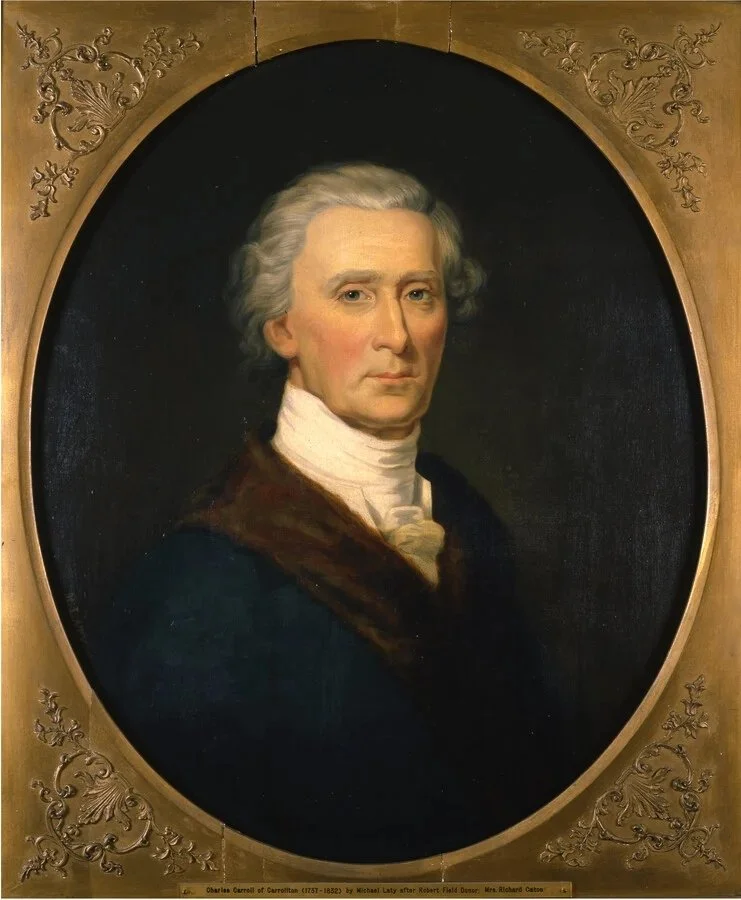
On July 4, 1826, Charles Carroll of Carrollton became the last living signer of the Declaration of Independence.
On July 4, 1826, Charles Carroll of Carrollton became the last living signer of the Declaration of Independence.
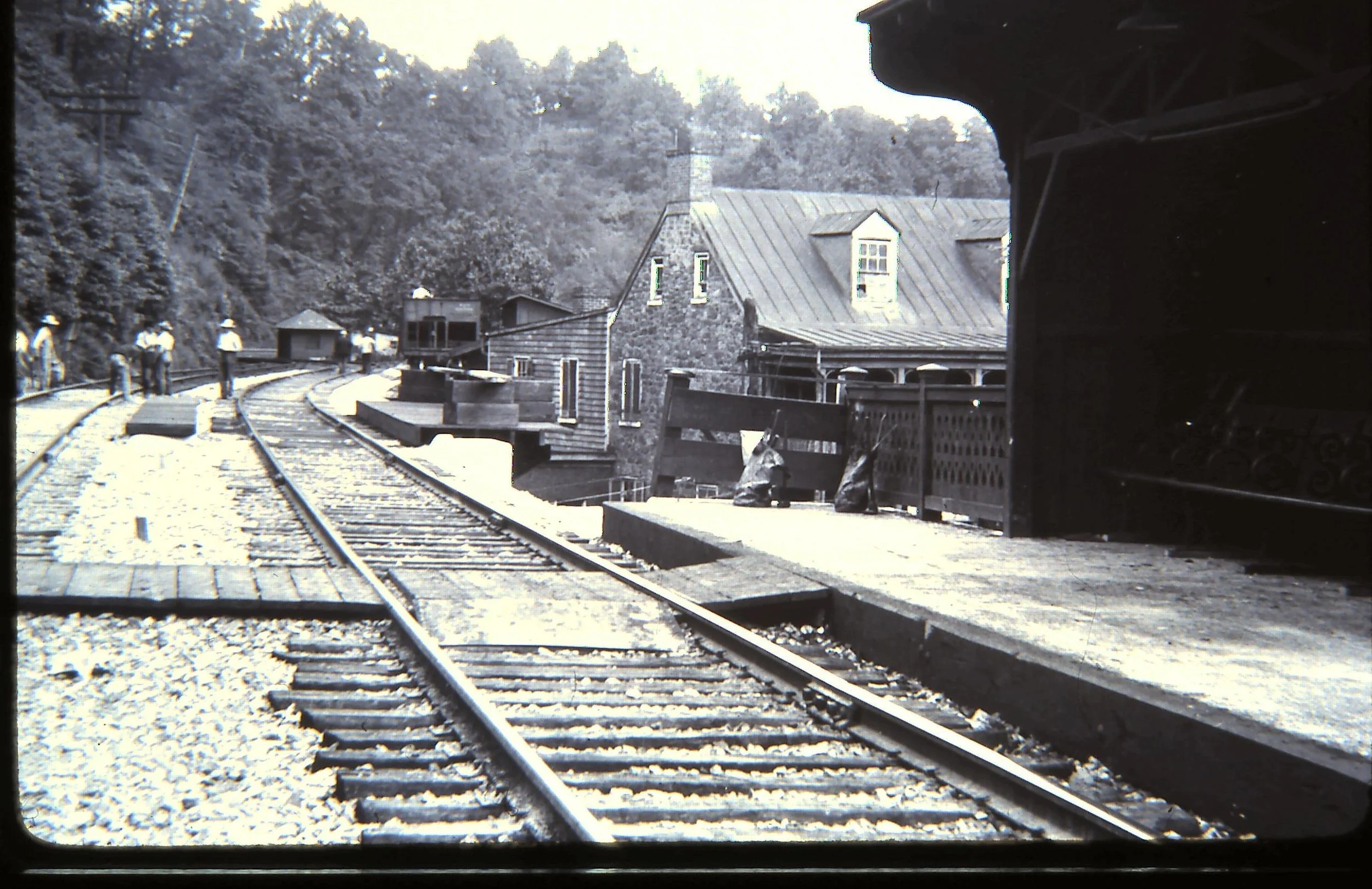
On May 22, 1830 Train Service Began Between Baltimore and Ellicott’s Mills
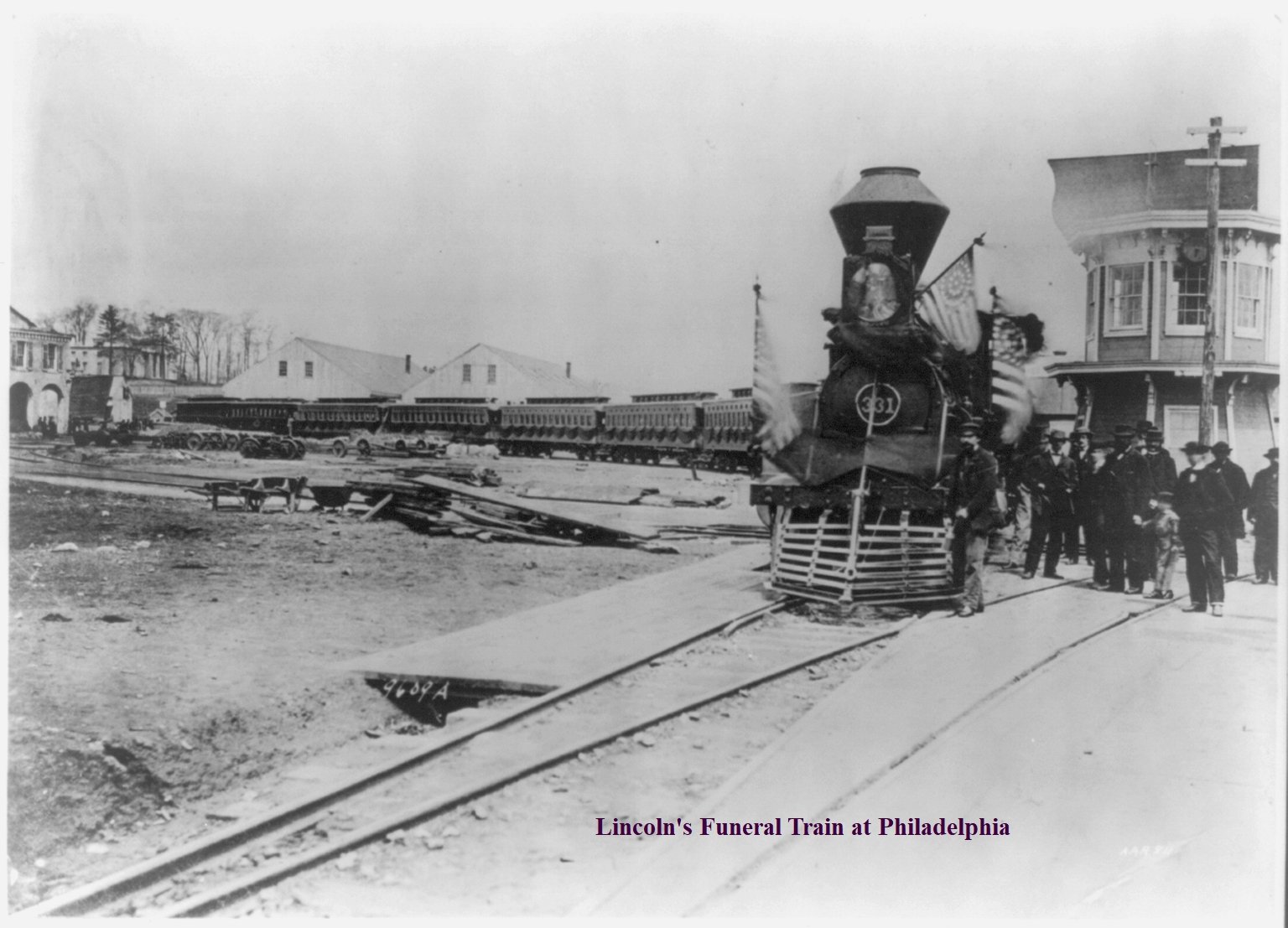
Lincoln’s Death is Mourned in Ellicott’s Mills
On this Day in Howard County History: In 1865 Abraham Lincoln’s Funeral Train Stopped at Annapolis Junction
Abraham Lincoln’s Funeral Train makes its first stop in Howard County – Lincoln’s Death is Mourned in Ellicott’s Mills
On the morning of April 21, 1865, a funeral train carrying the body of Abraham Lincoln left Washington, D.C. starting its 1,654-mile journey to Springfield, Illinois. As the train travelled northward along the B&O Railroad’s Washington Branch, it stopped for several minutes at Annapolis Junction on Howard County’s eastern border. The buildings in Annapolis Junction were draped in black. About 500 soldiers and citizens somberly stood along the track. After Governor Bradford and others boarded the train, it resumed its journey to Baltimore.[1]
Annapolis Junction straddles the Anne Arundel - Howard County line, but the train tracks are in Howard County. So, the first stop made by Lincoln’s funeral train was made in Howard County, although it was an unofficial stop.
Two days earlier, on April 19, Lincoln’s death was observed in Ellicott’s Mills, which had been strongly pro-Union during the Civil War. Businesses closed for the entire day, and nearly all of the town’s homes were decorated with tokens of mourning. Bells tolled from noon until 2:00pm and all the churches held services. Emory Methodist Church had a large attendance that included the members of the local Union League. After the service was over, mourners marched in a procession under an arch that had recently been built to celebrate the Union’s victories, but which was now draped in mourning with a large image of President Lincoln suspended from it.[2]
By Jerry Ueckermann
[1] “President Lincoln’s Remains”, Baltimore Sun, Apr. 22, 1865, p. 1; “In Memoriam!”, Philadelphia Inquirer, Apr. 22, 1865, p1. The Philadelphia Inquirer, which had a reporter on the train, reported that the train glided along slowly past the station in Annapolis Junction. Other newspapers that had reporters on the train, however, including the New York Times, Chicago Tribune, and Boston Daily Advertiser, corroborate the Baltimore Sun’s account that the train was joined by additional passengers at Annapolis Junction.
[2] “The Nineteenth of April at Ellicott’s Mills”, Baltimore American, April 21, 1865, p. 4.
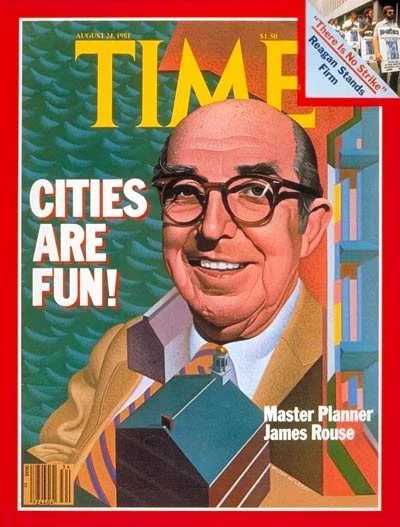
James W. Rouse – April 9
On this Day in Howard County History: In 1996 James W. Rouse Died
The visionary founder of Columbia was probably the most influential person in 20th Century Howard County – An idealist, Rouse abounded with enthusiasm yet maintained his humility
Born on Maryland’s Eastern Shore in 1914, James Rouse began working in the housing industry in the 1930s and in the 1950s became a successful developer of shopping centers and malls. Along the way, he became very interested in how to make cities better places for people to live and grow in.[1]
By the early 1960s, Rouse was ready to create a new model city. With financial backing from an insurance company, in 1963 he acquired 14,000 acres of land in Howard County on which the city of Columbia would be built.[2]
Four major goals went into the planning for Columbia: (1) to create a real city where people lived, worked, shopped, etc., and not just a bedroom community; (2) to respect the land; (3) to create an environment that nurtured the growth of people; and (4) to earn a profit. Rouse’s Columbia would be open to people of all races and economic classes.[3] Planning that went into Columbia’s schools also provided the catalyst for the innovation and improvement of schools throughout Howard County.[4]
Sales of homes in Columbia’s first village, Wilde Lake, began in 1967.
A man of deep religious convictions, in 1982 Rouse founded the Enterprise Foundation, a non-profit that provided housing to the poor in dozens of American cities. In 1995 President Clinton awarded him the Presidential Medal of Freedom.[5]
When Jim Rouse died on April 9, 1996 at his home in the Bryant Woods neighborhood of Wilde Lake, one-third of Howard County residents lived in Columbia. Today, thirty years after his death, Rouse continues to be revered by thousands. The city that he founded has often been named among the best places to live in America, and new proposals are still judged by whether they are consistent with Rouse’s vision for Columbia.
By Jerry Ueckermann
[1] Mitchell, Joseph Rocco and Stebenne, David L., New City Upon a Hill – A History of Columbia, Maryland (History Press 2007) pp. 28-50.
[2] Ibid, pp. 51-64.
[3] Testimony of James Rouse in Hearing Before the United States Commission on Civil Rights, Hearing held in Baltimore Aug. 17–19 , 1970 (U.S. Government Printing Office), pp. 448-451.
[4] Hovet, Mary, “Innovations in Education”, in Creating a New City – Columbia Maryland, Tennenbaum, Robert, ed., (Perry Publishing 1996); 1987 James Rouse interview in Columbia’s Promise, Maryland Public Television from MPT Columbia documentary (2019), 17:30 https://www.pbs.org/video/columbias-promise-mifikc/ ; Finley, William, “Planning Memories”, in Columbia Maryland – A Fifty-Year Retrospective on the Making of a Model City, Tennenbaum, Robert ed. (c. 2017), pp.24-25.
[5] Lally, Kathy, “Urban Visionary Succumbs at 81”, Baltimore Sun, April 10, 1996, p. 1.
Howard County was the Home of the Longest Operating Vineyard in Colonial America
DID YOU KNOW? Howard County was the Home of the Longest Operating Vineyard in Colonial America
Winemaking in early Howard County – plus whiskey stills and cider presses – the search for an early brewery goes on…